


On August 14, 2026, the Faculty of Law, University of Languages and Social Sciences (LHSS), Duy Tan University, successfully organized a National Scientific Conference themed "Case Law – Theoretical Issues and Practical Application in Vietnam." The event drew the participation of numerous judges, scientists, legal experts, lawyers, and representatives from judicial agencies and leading legal training institutions nationwide.
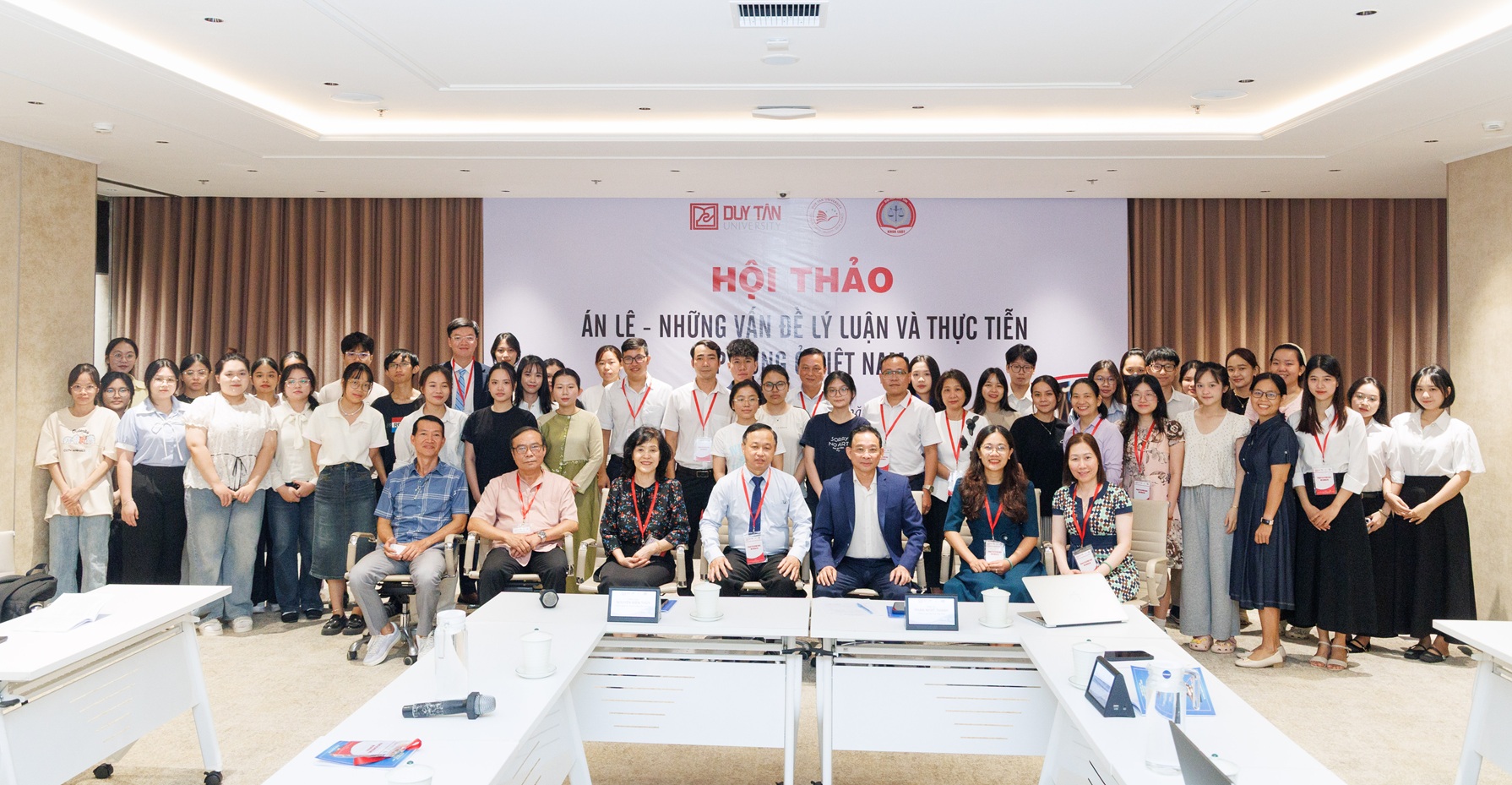
The conference was organized with two primary objectives: to provide scientific and practical arguments to support the improvement of the legal framework for case law; and to create a valuable reference resource for legal training institutions in enhancing the "Case Law" module within their curricula.
In his opening address, Dr. Dang Thuy Lien emphasized that codified law cannot foresee every situation arising in life. When thoroughly reasoned judgments are developed into case law, they become an important basis for resolving similar cases. Following this introduction, Deputy Chief Justice of the Supreme People's Court Nguyen Bien Thuy affirmed that case law is a source of judicial reasoning that clarifies the law, complementing codified statutes.
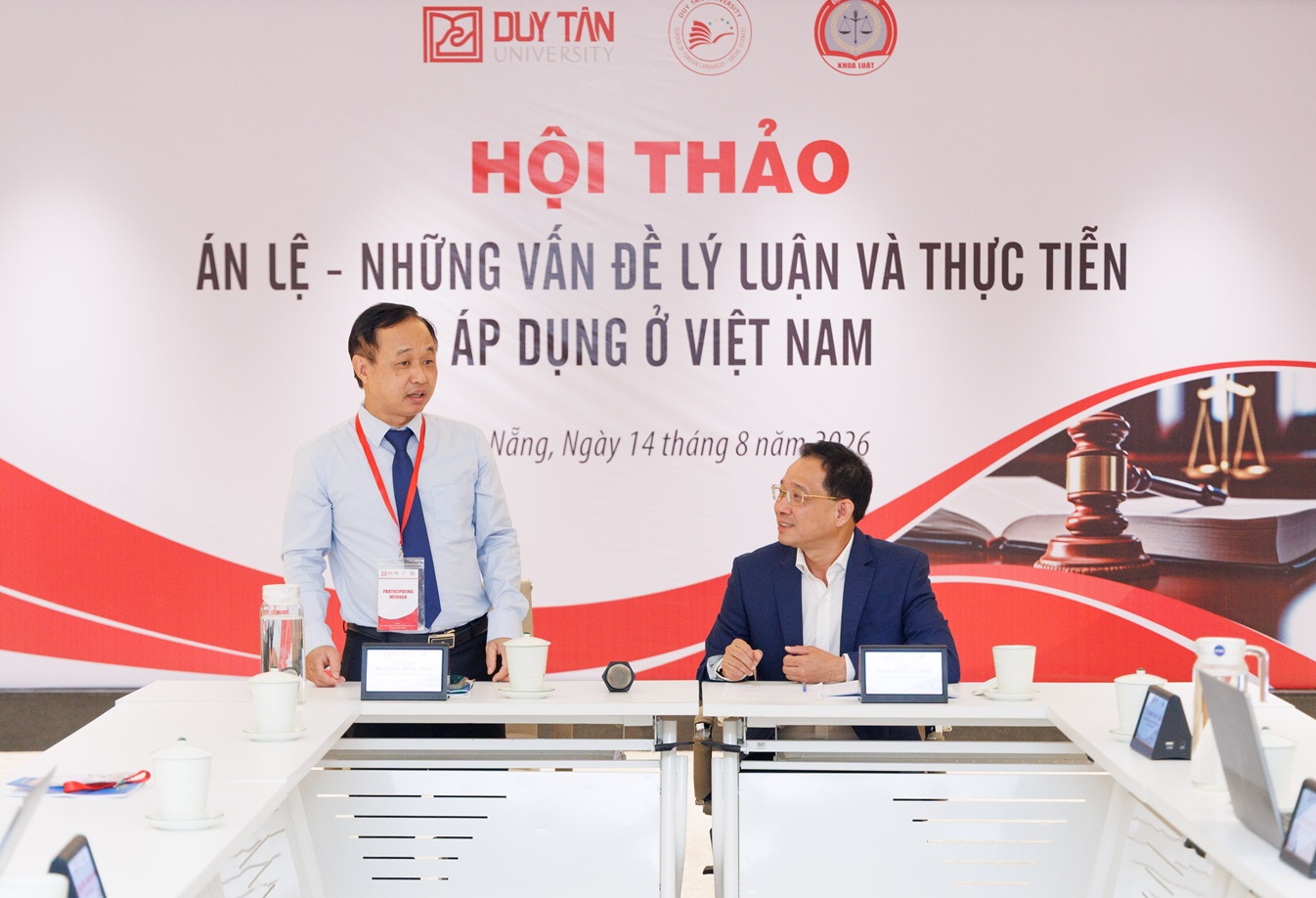
Many in-depth presentations at the conference candidly identified the boundaries between case law and statutory interpretation. Delegates focused on analyzing three levels of judicial application (applying clear norms, interpreting ambiguous norms, and establishing new rules approaching legislative functions), while proposing a "predictability" test to control the risk of case law exceeding the limits of legal interpretation.
The conference delved into core aspects aimed at enhancing the quality of case law application in practice:
- Judicial Independence and the Technique of Distinguishing Cases: Uniform application of law and judicial independence are not contradictory. Experts proposed a model of "conditional binding with mandatory reasoning," requiring the Adjudication Panel to clarify their reasons when applying or not applying case law through the technique of "distinguishing cases."
- Practice in Commerce, Land, and the Demand for Predictability: Case law in the fields of business, commerce, insolvency, and land (accounting for 26 of the current 90 case laws) requires a high degree of predictability to fill legal gaps, helping resolve complex property disputes not fully covered by codified law.
- Integrating Training and Enhancing the Role of Lecturers: The academic community proposed expanding mechanisms for law lecturers to participate in identifying and proposing case laws; simultaneously, innovating teaching methods from "learning the content of case law" to "learning how to reason from case law" through mock trials, group discussions, and litigation skills.
The success of the conference not only created a multi-dimensional dialogue space between theory, adjudication, and training but also affirmed the capacity of the LHSS Faculty of Law to organize prestigious academic forums, contributing positively to the process of improving judicial institutions and the rule of law in Vietnam.


